
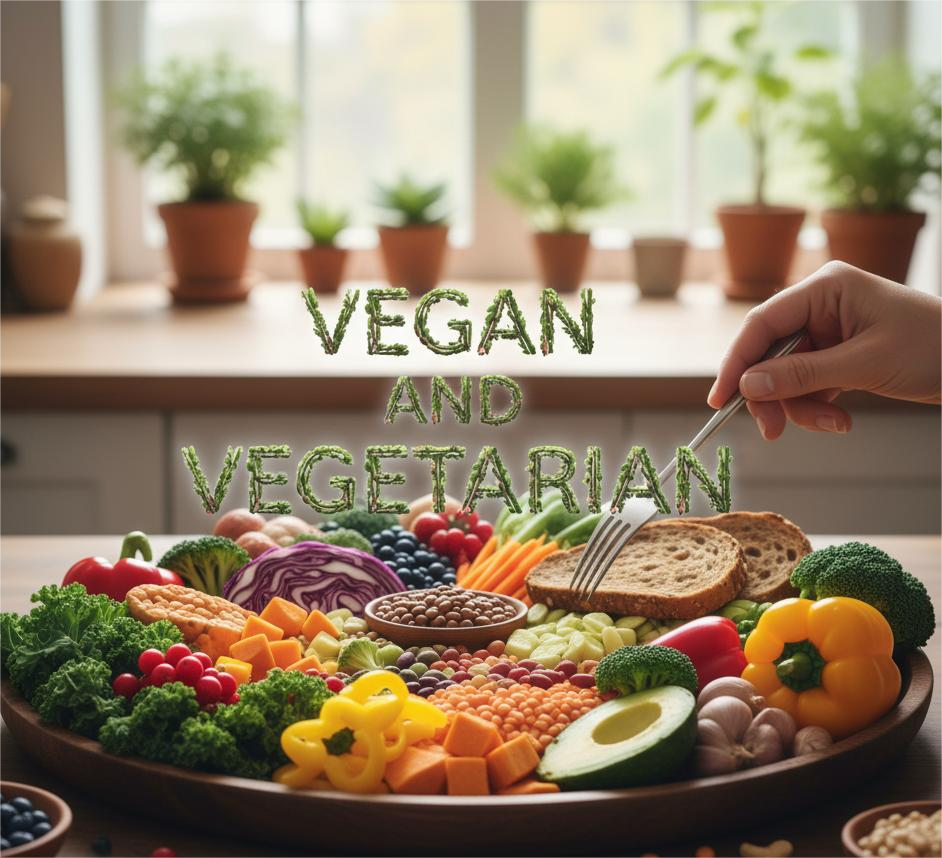
Nutrition Tips for Vegans and Vegetarians
Essential Nutrition Tips for Vegans and Vegetarians: A Comprehensive Guide
Following a plant-based diet, whether vegetarian or vegan, offers significant, evidence-based health benefits, including lower risks of cardiovascular disease, obesity, type 2 diabetes, and certain cancers. However, achieving a nutritionally complete and balanced diet requires careful, informed planning, especially in the US market where the standard diet is often high in processed foods.
This guide provides practical, expert-backed strategies to ensure you meet all your essential nutritional needs while enjoying a diverse and flavorful diet.
Understanding Key Nutrients: Where to Focus
Vegans and vegetarians, particularly vegans who exclude all animal products, must pay close attention to the following nutrients that are less abundant or less efficiently absorbed from plant sources:
| Nutrient | Importance for Health | Plant-Based Sources & Tips | |----|----|----| | Vitamin B12 | Crucial for nerve function and preventing megaloblastic anemia. | Must-Use Strategy for Vegans: Found almost exclusively in animal products. Fortified foods (plant milks, breakfast cereals, nutritional yeast) or a supplement are typically necessary for vegans. Vegetarians should also monitor intake. | | Protein | Essential for muscle maintenance, immune function, and cellular repair. | Sources: Legumes (beans, lentils, peas), tofu, tempeh, seitan, nuts, seeds, and whole grains. Tip: Consume a variety of protein sources daily to ensure intake of all essential amino acids (a "complete protein"). | | Iron | Vital for red blood cell production and preventing anemia. | Sources: Lentils, chickpeas, tofu, spinach, pumpkin seeds, and iron-fortified cereals. Absorption Tip: Plant-based iron (non-heme) is less absorbed. Pair with Vitamin C-rich foods (citrus, peppers, broccoli, tomatoes) to maximize absorption, and avoid drinking coffee/tea with meals. | | Calcium | Important for bone health and nerve/muscle function. | Sources: Calcium-fortified plant milks (check label for similar levels to cow's milk), calcium-set tofu (made with calcium sulfate), almonds, tahini, and low-oxalate leafy greens like kale and bok choy. Note: Spinach is high in calcium but poor for absorption. | | Vitamin D | Supports calcium absorption and bone health. | Sources: Fortified plant milks, cereals, and some mushrooms. Tip: Sunlight exposure helps your body produce it, but many, especially vegans and those with limited sun exposure, need a supplement. | | Omega-3 Fatty Acids (EPA/DHA) | Supports heart and brain health. | Sources: ALA (alpha-linolenic acid) is found in ground flaxseeds, chia seeds, walnuts, and canola/soy oil. Tip: Consider algae-based DHA/EPA supplements to bypass conversion issues and ensure optimal intake, especially during pregnancy. | | Zinc | Vital for immune function, wound healing, and metabolism. | Sources: Legumes, nuts, seeds, tofu, and whole grains. Tip: Soaking and sprouting can improve zinc and other mineral absorption. |
Export to Sheets
Effective Meal Planning Strategies for Adequacy
Strategic meal preparation is the cornerstone of a healthy plant-based diet.
- Diversify Daily Protein Sources: Mix legumes, grains, nuts, and seeds throughout the day. This simple strategy ensures you consume a full spectrum of essential amino acids.
- Embrace Fortified Foods: Incorporate products like fortified plant milks (B12, D, Calcium), cereals, and nutritional yeast into your daily intake. Always check nutrition labels for fortification.
- Boost Nutrient Absorption:
- Combine Vitamin C with Iron: Have strawberries on your iron-fortified cereal, or add bell peppers to your lentil soup.
- Soak and Sprout: Soaking and sprouting legumes and grains can help neutralize phytic acid, which improves the absorption of minerals like zinc and iron.
- Focus on Whole, Colorful Foods: Emphasize a broad spectrum of colorful vegetables, fruits, whole grains (oats, quinoa, brown rice), and legumes. This naturally provides high levels of fiber, vitamins, minerals, and protective antioxidants.
- Mind Processed Alternatives: While convenient, many "faux meats" and pre-packaged vegan foods can be high in sodium, saturated fat, and added sugars. Read nutrition labels carefully and prioritize less processed options.
Leveraging Technology and Professional Guidance
For personalized, data-driven nutrition, consider using AI and consulting with a professional.
- AI-Driven Nutrition Platforms: These tools can offer significant help by:
- Tracking Nutrient Intake: Flagging potential deficiencies (e.g., in B12, Iron, Zinc) based on your food log.
- Suggesting Optimized Meal Plans: Creating plans that meet your individual health goals, activity levels, and micronutrient targets.
- Offering Recipe Suggestions: Providing diverse, culturally appropriate, and healthy plant-based recipes.
- Consult a Registered Dietitian (RDN): For major dietary changes, pregnancy, or existing health conditions, consulting with an RDN specializing in plant-based nutrition is the gold standard for personalized, evidence-based guidance. They can help create a complete plan, recommend appropriate supplements, and monitor your progress.
Tips for Long-Term Health and Everyday Eating
- Monitor Micronutrient Status: Regular blood tests are recommended to monitor levels of crucial nutrients like Vitamin B12 and Iron, allowing for timely adjustment of diet or supplementation.
- Include Fermented Foods: Add fermented options like tempeh, miso, and sauerkraut to your diet to support a healthy gut microbiome.
- Prioritize Healthy Fats: Use healthy fats from avocados, nuts, seeds, and healthy oils for satiety, hormone regulation, and absorption of fat-soluble vitamins (A, D, E, K).
- Stay Hydrated: Drink plenty of fluids—aim for 6 to 8 cups or glasses of water or low-sugar beverages daily.